
 en
en en
en vi
vi it
it es
es uk
uk tr
tr pt
pt ms
ms ru
ru fr
fr de
de ar
ar id
id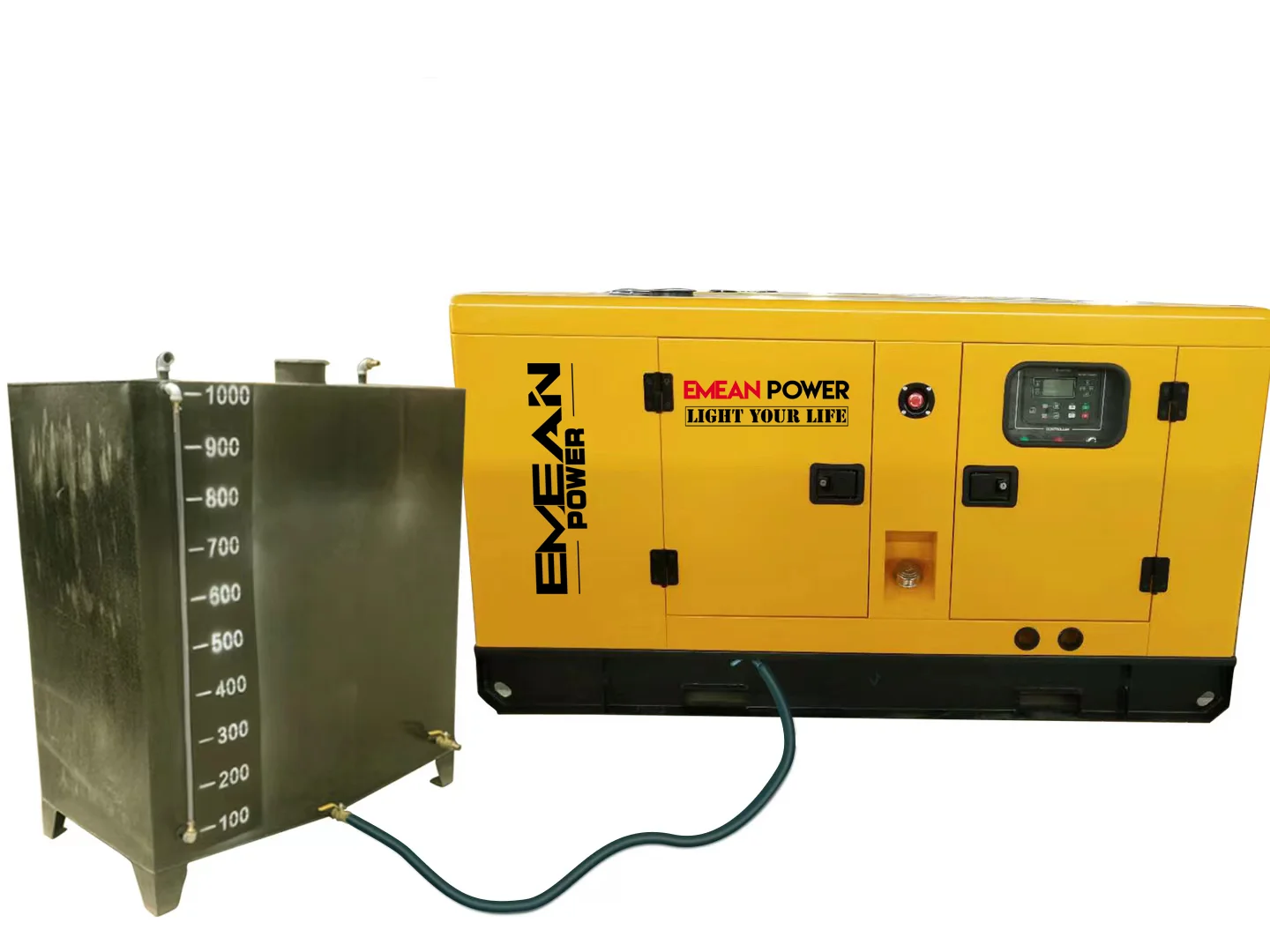
| 25/06/2025
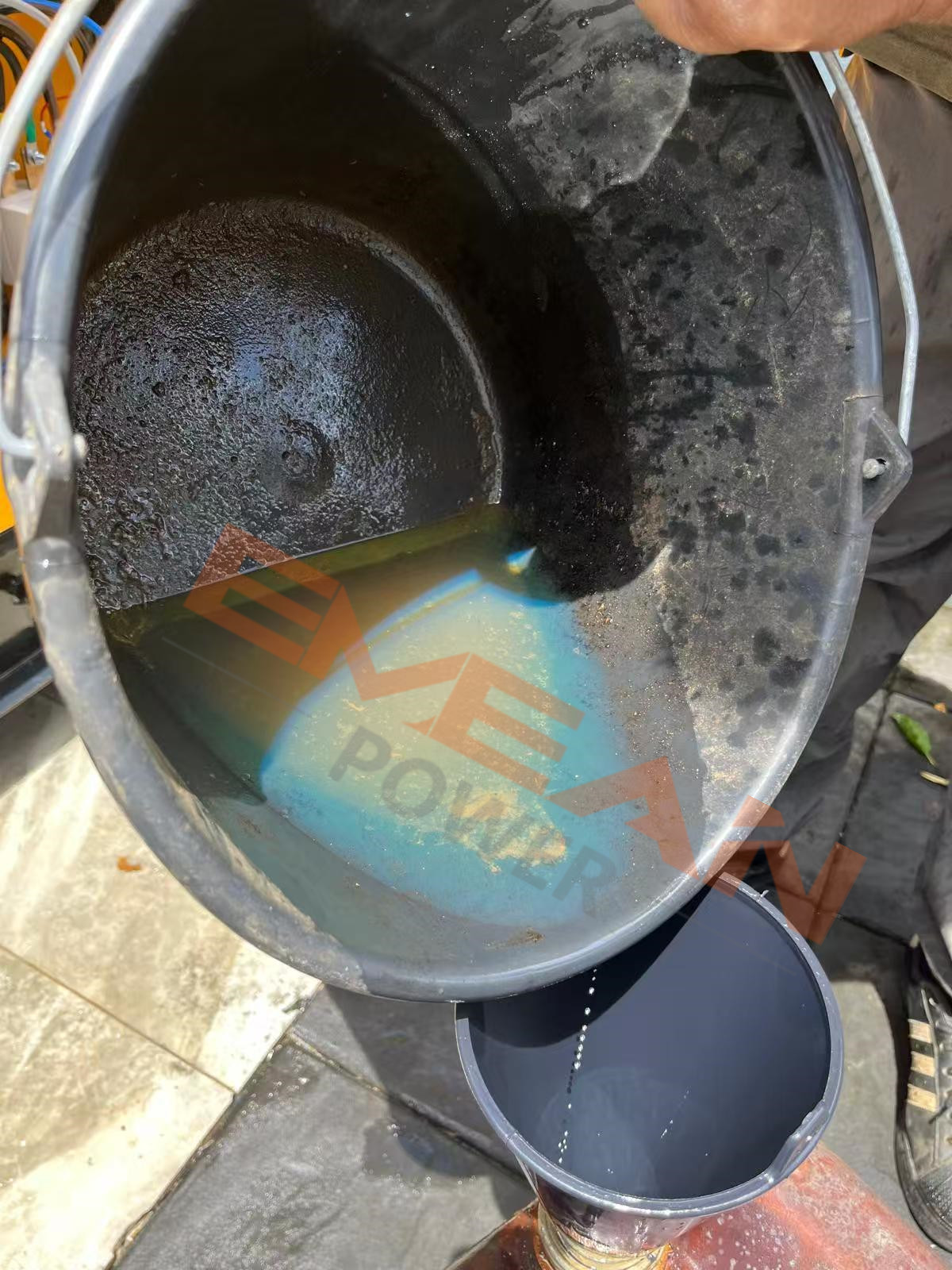
Water in Diesel Generator Fuel: Causes & Solutions-EMEAN POWER
Find out more about our news >
ABSTRACT
Learn how to calculate diesel generator fuel tank capacity with EMEAN POWER's 3-step formula. Includes examples, BSFC data, and professional sizing tips.
Correctly sizing the fuel tank for your diesel generator set is critical to ensure uninterrupted operation, especially for standby, prime, or continuous power applications. EMEAN POWER engineers have developed this professional, step-by-step calculation method to help you determine the exact tank capacity required for your specific runtime needs.
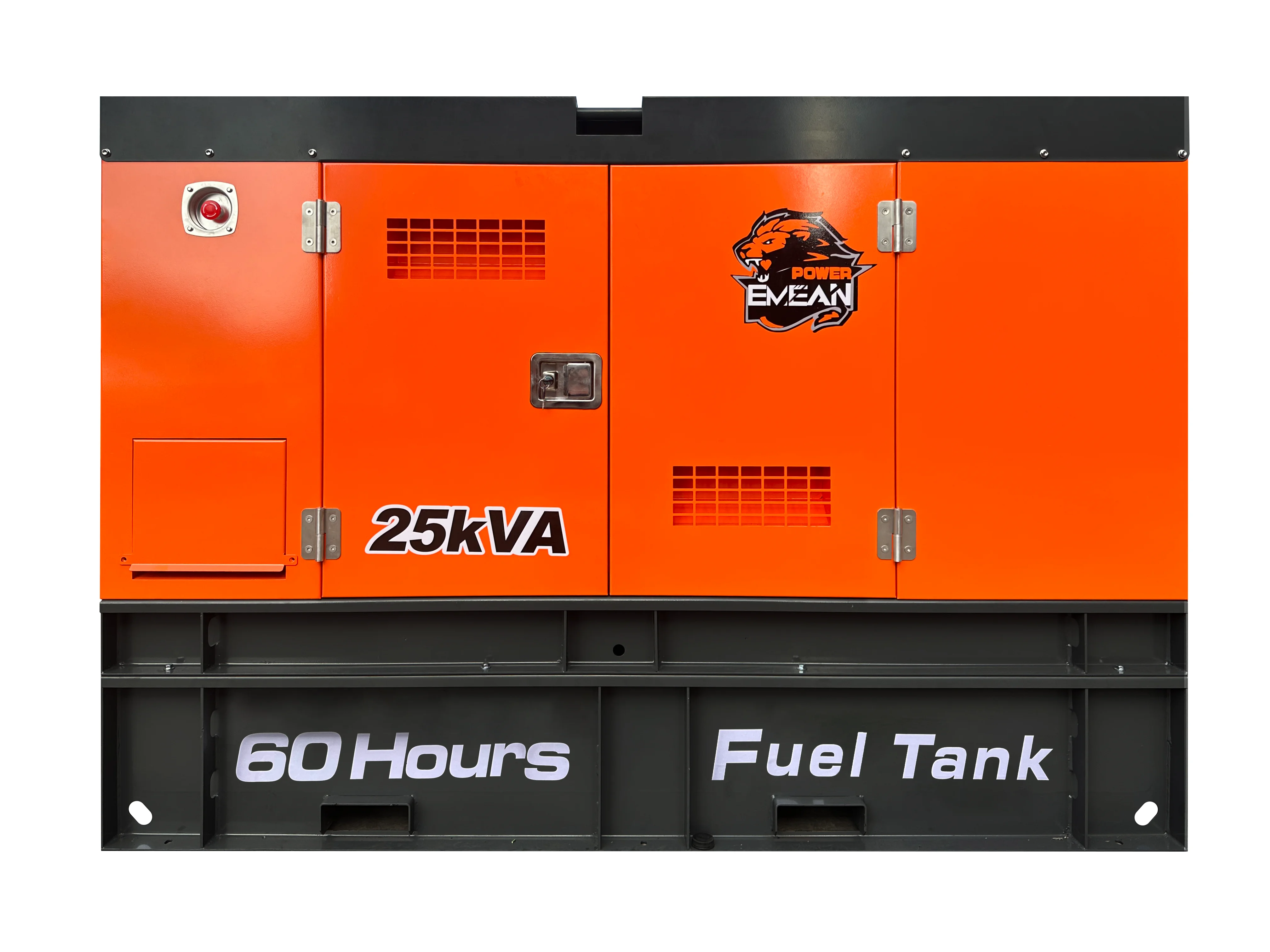
Before calculating, you must obtain the following four data points:
| Parameter | Unit | Description |
|---|---|---|
| Diesel Density | g/cm³ | Standard value: 0.83 g/cm³ (fixed for calculation) |
| Brake Specific Fuel Consumption (BSFC) | g/kW·h | Fuel consumption rate per kilowatt-hour (from engine datasheet) |
| Generator Prime Power | kW | Continuous power output of the generator set |
| Required Autonomy Time | hours | How long the generator must run without refueling |
Step 1: Calculate Hourly Fuel Consumption by Weight
Formula:
Fuel Volume per Hour (L/h) = Fuel Weight per Hour (g/h) ÷ Diesel Density (g/cm³) ÷ 1000
Step 3: Determine Required Tank Capacity
Formula:
235 × 182 = 42,770 g/hStep 2 – Fuel Volume per Hour:
51.5 × 24 = 1,236 L✅ Result: A minimum 1,236-liter fuel tank is required to operate this 182 kW diesel generator set continuously for 24 hours without refueling.
EMEAN POWER Professional Advisory
This calculation provides the theoretical minimum tank capacity. In practice, EMEAN POWER recommends adding a 10–15% safety margin to account for:
Fuel return line heat expansion
Sediment accumulation at tank bottom
Emergency reserve for extended runtime
For custom fuel tank design, installation, or compliance with local regulations, contact EMEAN POWER's engineering team. We provide complete fuel system solutions tailored to your generator model and application.
 Related Cases
If you have any questions,please leave your message online,and we will reply you questions once we have received it.